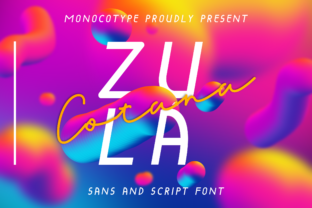
Zula Cotana and the Rise of Unapologetically Bold Contemporary Design
In an era where minimalism has long dominated the creative landscape, a countercurrent has been steadily gathering force—one that refuses to whisper when it can speak with conviction. Zula Cotana sits at the heart of this shift, embodying a design language that is simultaneously modern, stylish, and unafraid to command attention. What sets it apart is not merely its aesthetic appeal but the philosophy woven into its very fabric: the belief that boldness and sophistication are not opposing forces but natural allies.
Understanding Zula Cotana requires looking beyond surface-level impressions. The look is undeniably striking—clean geometries meet expressive forms, and restrained palettes are punctuated by moments of deliberate intensity. Yet there is a coherence to the approach that prevents it from tipping into excess. Every element, no matter how eye-catching, serves a purpose within the larger composition. This balance between impact and intentionality is what makes the style feel both fresh and enduring.
The Anatomy of a Bold Modern Aesthetic
Zula Cotana features an incredibly modern and stylish look with a bold feel that is achieved through several interconnected design choices. The first is a commitment to strong silhouettes. Rather than relying on ornamentation to create visual interest, the foundational shapes themselves carry the weight of expression. Proportions are often exaggerated just enough to surprise the eye without alienating it—a slightly oversized profile, an unexpected angular detail, a curve that seems to defy convention.
Material selection plays an equally critical role. There is a preference for surfaces that engage the senses: matte finishes that absorb light in interesting ways, textured metals that shift in appearance as one moves around them, and tactile fabrics that invite touch. These materials are not chosen for luxury alone but for how they interact with the forms they clothe. A bold silhouette rendered in a flat, uninspired material loses much of its power; the same shape in a richly textured finish becomes something memorable.
Color, too, operates with discipline. The palettes associated with this style tend to be anchored by deep, saturated neutrals—charcoals that border on black, warm bronzes, moody navies—and then ignited by a single, confident accent. That accent might appear as a vivid crimson panel on an otherwise monochromatic piece or as a luminous metallic trim that catches the light unexpectedly. The restraint in number makes the boldness in hue all the more effective.
Why Bold Design Resonates Across Audiences
The appeal of a style like Zula Cotana cuts across traditional demographic boundaries. Professionals drawn to contemporary workspaces find that its confident presence elevates an environment without making it feel unapproachable. A conference room furnished with pieces that embody this aesthetic signals clarity of vision and a willingness to lead rather than follow. The boldness reads as competence, the modernity as forward-thinking sensibility.
For creators and artists, the attraction is different but equally powerful. There is a creative energy embedded in designs that take risks. Surrounding oneself with objects and environments that refuse to fade into the background can be genuinely stimulating. Many describe a sense of being more creatively alert in spaces influenced by this philosophy—as if the boldness of the surroundings grants permission to be bolder in one's own work.
Homeowners and consumers approaching interior design from a personal standpoint often discover that incorporating elements of this style helps articulate a clearer sense of identity within their living spaces. In a world saturated with safe, neutral interiors that could belong to anyone, a space that draws from the Zula Cotana sensibility feels distinctly and unmistakably theirs. It communicates personality without requiring explanation.
Practical Integration Across Different Environments
One of the most compelling aspects of this design approach is its adaptability. The same principles that shape a striking piece of furniture can be scaled to an entire room or distilled into a single accent object. Understanding how to work with bold modernity in practice opens up a range of possibilities.
Residential Spaces: Curating Impact at Home
In residential settings, the key is often selectivity. A single Zula Cotana-inspired piece—perhaps a sculptural armchair with an assertive profile or a lighting fixture that doubles as a kinetic art installation—can redefine the character of an entire room. The boldness of that one element creates a focal point around which more subdued pieces can orbit. This approach prevents the space from feeling chaotic while still achieving the desired sense of modern stylishness.
There is also a growing appreciation for applying these principles to transitional spaces like entryways and hallways, areas traditionally treated as afterthoughts. A console table with strong geometric presence or a mirror framed in dramatically proportioned metal can transform a passageway into an experience. These smaller-scale applications allow homeowners to experiment with the aesthetic without committing to a comprehensive redesign.
Workspaces and Commercial Environments
Commercial designers have been among the most enthusiastic adopters of the bold modern approach. In retail settings, the aesthetic does double duty: it creates an environment that customers want to photograph and share while also communicating brand confidence. Hospitality venues—restaurants, boutique hotels, cocktail bars—use it to establish atmospheres that feel both sophisticated and energetically alive.
Corporate offices represent an interesting frontier. As companies compete for talent and seek to express cultural values through physical space, the days of beige cubicles and anonymous conference rooms are fading. Workplaces that incorporate this design language signal to employees and visitors alike that the organization values creativity, embraces contemporary thinking, and possesses a clear point of view. The boldness becomes a form of non-verbal communication about company identity.
Creative Studios and Educational Settings
For studios and classrooms where innovation is the explicit goal, the environment itself can become a teaching tool. When students or practitioners work in spaces shaped by confident design choices, they absorb lessons about intentionality and the power of taking creative risks. The Zula Cotana approach, with its emphasis on purposeful boldness, aligns naturally with pedagogical philosophies that encourage original thinking over rote reproduction.
The Craftsmanship Dimension
Aesthetic boldness of this caliber cannot be achieved through superficial means. The modern and stylish look associated with Zula Cotana depends heavily on quality of execution. Seams must be precise. Proportions must be meticulously calibrated. Materials must be sourced and finished to exacting standards. When a design is bold, every detail is exposed to scrutiny—there is no visual clutter behind which imperfections can hide.
This reality has implications for both creators and consumers. For makers—whether they are furniture builders, interior designers, architects, or product developers—embracing this style means committing to a level of craftsmanship that leaves no room for shortcuts. The boldness of the overall statement is built upon an accumulation of small, perfectly executed decisions. A miter joint that is slightly off, a finish that is inconsistently applied, a material that feels insubstantial upon touch—any of these can undermine the entire effect.
For those acquiring pieces influenced by this design philosophy, the craftsmanship requirement translates into a different kind of consideration. The value proposition shifts away from quantity toward quality. Rather than furnishing a space with many indifferent objects, the approach encourages investing in fewer pieces that possess genuine integrity. This aligns with broader cultural movements toward mindful consumption and away from disposable design.
Observations on Cultural Timing
Why is this aesthetic resonating so strongly now? The timing is not accidental. After years of dominance by pale neutrals and barely-there design, a degree of visual fatigue has set in. The pendulum, as it always does, has begun to swing. But this is not simply a reactionary embrace of loudness for its own sake. What distinguishes the current moment is the sophistication with which boldness is being deployed.
The Zula Cotana interpretation of modern style reflects a maturing of the impulse toward visual impact. It is bold without being brash, stylish without being trendy, modern without being cold. This nuanced approach appeals to an audience that has grown visually literate through constant exposure to design media and social platforms. They can distinguish between genuine confidence and mere novelty, between thoughtful provocation and attention-seeking for its own sake.
There is also a psychological dimension worth noting. Living through periods of uncertainty and rapid change often creates a desire for surroundings that feel grounded and assertive. Interiors and objects that project strength can provide a counterbalance to external volatility. In this sense, the bold modern aesthetic serves an emotional function beyond its visual one—it creates environments that feel anchored and resolute.
Considerations for Adoption
While the appeal of this design approach is broad, thoughtful adoption requires attention to several factors. Scale is perhaps the most critical consideration. Boldness that works beautifully in a generous, light-filled space can overwhelm a smaller room if not carefully calibrated. The solution is not to avoid the aesthetic but to adjust its intensity. In compact settings, boldness might express itself through a single powerful color choice or an object with an especially compelling silhouette, rather than through multiple competing statements.
Context matters enormously as well. A bold modern piece in an otherwise traditional environment can create exciting tension—or jarring dissonance. Success lies in finding points of connection. Perhaps the deep charcoal finish on a contemporary cabinet echoes the tone of an antique mirror's patina. Perhaps the clean geometry of a new light fixture picks up on the linear quality of exposed wooden beams. These bridges between old and new allow the boldness to feel integrated rather than imposed.
Lighting deserves special attention. Designs with strong visual presence interact with light in complex ways, casting shadows and revealing textures that shift throughout the day. The same piece can read quite differently under morning sunlight, afternoon indirect light, and evening artificial illumination. Those who live with these designs often describe this variability as a source of enduring pleasure—the bold statement never becomes visually monotonous because it is constantly being reinterpreted by changing light conditions.
The Broader Influence on Contemporary Taste
The ripple effects of this design philosophy extend well beyond individual interiors and products. It has begun to influence how people think about personal style, branding, and even digital presentation. The core principle—that modernity and boldness can coexist with sophistication and longevity—has applications in fashion, graphic design, user interface design, and numerous other creative fields.
For business owners and entrepreneurs, understanding this aesthetic can inform decisions about everything from packaging to retail environments to visual identity systems. A brand that communicates through confident, modern design choices tends to be perceived as more established, more innovative, and more worthy of premium positioning. The bold feel becomes a competitive differentiator in crowded marketplaces where subtlety can too easily read as timidity.
Educators and researchers interested in material culture find in this trend a rich subject for investigation. It encapsulates questions about how aesthetic preferences form and evolve, the relationship between design and identity, and the economic dynamics of taste-making. The Zula Cotana phenomenon, whatever its specific origins, provides a lens through which broader cultural currents become visible.
Looking Forward
Design movements that endure tend to be those that offer genuine substance beneath their stylistic surface. The bold modern aesthetic associated with Zula Cotana appears to have this depth. Its emphasis on craftsmanship, material integrity, and compositional intelligence provides a foundation that will remain relevant even as specific expressions evolve. What feels strikingly contemporary today may, in time, become a lasting reference point—a way of thinking about design that continues to inspire long after particular silhouettes and color combinations have cycled through fashion's revolving door.
The architects, designers, and makers who are shaping this movement understand that true boldness is not about volume but about clarity. A whisper can be bold if it lands at precisely the right moment. A gesture can be bold if it is made with absolute conviction. The designs that will matter are those that speak clearly, age gracefully, and continue to reward attention over years of use. That is the promise embedded in the modern and stylish look, the bold feel that refuses to be ignored—not through aggression, but through the quiet confidence of knowing exactly what it is.