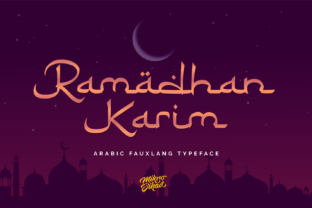
Ramadhan Karim: A Bold Design Direction Rooted in Middle Eastern Aesthetics
Designers, brand strategists, and creative directors often search for visual languages that carry cultural depth while remaining versatile enough for modern applications. Ramadhan Karim represents one such direction — an aesthetic framework inspired by Arabic culture and the broader visual traditions of the Middle East. Rather than a single typeface or product, Ramadhan Karim functions as a thematic anchor, infusing projects with ornamental richness, geometric precision, and a sense of celebratory warmth associated with the holy month of Ramadan and regional artistic heritage.
This article examines what Ramadhan Karim offers as a design concept, who stands to benefit from it, where its limitations lie, and how to evaluate whether it aligns with a specific creative brief or branding need. The goal is to equip readers with a practical, balanced understanding before committing to this distinctive visual path.
Understanding Ramadhan Karim as a Creative Framework
At its core, Ramadhan Karim channels several interconnected influences. Arabic calligraphy, with its flowing letterforms and rhythmic proportions, often takes center stage. Geometric patterns — eight-pointed stars, interlaced polygons, and arabesque motifs — reinforce a sense of order and continuity. Color palettes draw from regional references: deep indigo blues, terracotta oranges, gilded golds, and rich emerald greens. Together, these elements create compositions that feel both festive and grounded in centuries of artistic tradition.
The phrase itself — Ramadhan Karim — translates roughly to "Generous Ramadan," carrying connotations of blessing, hospitality, and community. Designers who adopt this aesthetic typically aim to evoke similar feelings in their audience. Whether applied to greeting cards, social media campaigns, product packaging, or event branding, the style communicates warmth without sacrificing visual impact.
Importantly, Ramadhan Karim functions as a source of inspiration rather than a rigid style guide. Some designers lean heavily into ornate detail, layering patterns and calligraphic flourishes. Others take a more restrained approach, borrowing only the geometry or a select color palette to hint at Middle Eastern influence without overwhelming the composition. This flexibility makes the concept applicable across a wide spectrum of projects.
Why Designers and Brands Gravitate Toward This Aesthetic
Several practical factors drive interest in Ramadhan Karim-themed design. Understanding these motivations helps clarify whether the approach serves genuine creative needs or simply follows a trend.
Cultural resonance. For brands, organizations, or individuals with ties to Muslim communities or Middle Eastern markets, adopting this visual language signals cultural awareness and respect. It can strengthen emotional connections with audiences during Ramadan and Eid celebrations, when visual communication often intensifies. A well-executed design referencing Ramadhan Karim aesthetics can differentiate a campaign from generic seasonal messaging.
Distinctive visual identity. In crowded design landscapes, standing out matters. The intricate geometry, bold color contrasts, and expressive typography associated with Middle Eastern traditions offer something markedly different from minimalist Western trends. When deployed thoughtfully, the style commands attention without relying on gimmicks.
Celebratory energy. Ramadhan Karim designs often carry an inherent sense of festivity — lantern motifs, crescent moons, and ornate borders evoke gathering, sharing, and reflection. For projects tied to community events, hospitality, or charitable initiatives, this energy can prove invaluable.
Cross-media adaptability. The core elements translate well across print, digital, textile, and environmental design. Geometrically precise patterns repeat seamlessly on fabrics and wallpapers. Calligraphic logos hold their character whether scaled for a website favicon or a storefront sign. This versatility reduces the friction of adapting a central idea to multiple touchpoints.
Practical Benefits of Incorporating Ramadhan Karim Elements
Moving beyond general appeal, several tangible advantages emerge when this aesthetic is integrated into specific projects.
- Instant thematic recognition. Audiences familiar with Arab or Islamic visual culture quickly identify the reference, which can accelerate message comprehension in seasonal campaigns.
- Rich storytelling potential. Each geometric motif and calligraphic style carries historical context, giving designers narrative material to weave into brand messaging or product descriptions.
- Inclusive positioning. Thoughtful application can broaden a brand's appeal to multicultural audiences without pandering, particularly when paired with authentic community engagement.
- Elevated perceived value. The intricacy of arabesque patterns and the prestige associated with Arabic calligraphy can lend an air of craftsmanship and luxury to packaging or promotional materials.
- Seasonal yet extendable. While naturally tied to Ramadan, many visual components work year-round when disconnected from explicitly religious iconography, supporting sustained brand identity rather than one-off campaigns.
Trade-Offs and Considerations Before Committing
Every design direction involves compromises. Ramadhan Karim-inspired work is no exception, and honest evaluation here prevents costly missteps later.
Risk of cultural misrepresentation. Arabic calligraphy carries linguistic and spiritual significance. Using it purely as decoration — especially if the text is misaligned, misspelled, or taken out of context — can alienate the very audiences a project intends to reach. Collaborating with Arabic speakers and cultural consultants is not optional, but essential.
Visual density and legibility challenges. Elaborate patterns and decorative lettering, while stunning at close range, can become illegible at small sizes or on low-resolution screens. Testing across devices and formats early in the design process helps identify when simplification becomes necessary.
Production costs. Highly detailed ornamental designs may require specialized printing techniques — foil stamping, embossing, or high-quality digital printing — to achieve their intended effect. Budget-conscious projects might find the full expression of Ramadhan Karim aesthetics difficult to execute without compromising quality.
Niche audience limitations. For brands targeting broad, demographically diverse markets, an overtly Middle Eastern visual identity may not resonate universally. Some consumers may misinterpret the aesthetic or fail to connect with it, potentially limiting reach outside specific cultural contexts.
Trend fatigue. Ramadan-themed design sees predictable surges annually. Standing out requires genuine creativity rather than recycling the same lanterns and crescent motifs that flood the market each year. Superficial application risks blending into the background rather than capturing attention.
Where Ramadhan Karim Excels: Strong-Fit Scenarios
Certain projects align naturally with this design direction. Recognizing these situations helps decision-makers move forward with confidence.
Ramadan and Eid Campaigns
Seasonal marketing, event invitations, social media content, and corporate greetings intended for Muslim audiences represent the most obvious application. Here, Ramadhan Karim themes function as culturally appropriate shorthand, immediately signaling relevance and respect.
Hospitality and Food Branding
Restaurants, catering services, and packaged food brands — especially those offering Middle Eastern or halal cuisine — benefit from visual cues that reinforce regional authenticity. Menu designs, takeaway packaging, and interior signage infused with geometric patterns and Arabic-inspired typography support brand positioning effectively.
Cultural and Religious Organizations
Mosques, community centers, educational institutions, and charitable foundations often seek visual identities that reflect their values. A Ramadhan Karim-inspired direction can communicate heritage, spirituality, and openness simultaneously.
Wedding and Event Stationery
For celebrations drawing on Arab or South Asian traditions, invitation suites, signage, and decorative elements rooted in this aesthetic feel natural and celebratory. The intricate detailing aligns well with the emotional weight of milestone events.
Luxury and Artisanal Products
High-end perfumes, textiles, jewelry, and home decor brands can leverage the association between Middle Eastern artistry and craftsmanship. The aesthetic signals quality and attention to detail when executed with restraint and precision.
When Alternatives Deserve Serious Consideration
Not every project suits a Ramadhan Karim-inspired approach. Recognizing misalignment early saves resources and prevents awkward results.
Brands without cultural connection. If an organization lacks authentic ties to Middle Eastern or Muslim communities, adopting this aesthetic may appear opportunistic or culturally appropriative. In such cases, a more universal visual strategy often proves safer and more credible.
Projects requiring extreme minimalism. Some design briefs demand ultra-clean, reductive aesthetics — think tech startups emphasizing speed and simplicity, or medical brands prioritizing sterile clarity. The inherent richness of Ramadhan Karim elements can clash with these requirements.
High-regulation industries. Financial services, legal firms, and healthcare providers operating in diverse markets may face compliance standards that discourage culturally specific imagery. Neutrality often serves these sectors better than expressive cultural references.
Tight production timelines. Quality execution of Arabic calligraphy and complex geometric patterns demands time — for research, collaboration, refinement, and testing. Projects with compressed schedules may struggle to achieve results that do justice to the source material.
Audiences seeking contemporary edge. Younger, trend-driven demographics in fashion or music may find traditional Middle Eastern motifs too formal or heritage-focused. Fusion approaches exist, but pure Ramadhan Karim aesthetics might not deliver the edgy, avant-garde feel some brands pursue.
Decision-Making Framework: Evaluating Fit for Your Project
Rather than defaulting to enthusiasm or caution, a structured assessment helps determine whether Ramadhan Karim aligns with specific goals. Consider these practical questions before committing:
- Does the target audience include communities familiar with or appreciative of Middle Eastern visual culture? If yes, the aesthetic may strengthen connection. If not, weigh the risk of confusion or indifference.
- What is the core message, and does this aesthetic support or distract from it? Warmth, hospitality, craftsmanship, and spirituality pair naturally. Messages emphasizing speed, disruption, or clinical precision may conflict.
- Are adequate resources available for culturally informed execution? Budget for consultation, translation, and refinement. Cutting corners on cultural accuracy damages credibility.
- Will the design live across diverse media where detail retention matters? Test patterns and typography at multiple sizes. If legibility suffers, prepare simplified variations.
- Is this a seasonal application or a long-term identity choice? Seasonal use carries lower risk and can be bolder. Permanent branding demands greater restraint and timelessness.
Answering these questions honestly creates clarity. Teams can then decide whether to proceed, adapt a lighter version of the aesthetic, or explore alternative directions altogether.
Making the Most of Ramadhan Karim Inspiration
For those who determine the aesthetic fits their project, several practices increase the likelihood of success. Engage native Arabic speakers during the design process to verify text accuracy and cultural appropriateness. Study historical examples — Mamluk architecture, Persian miniatures, Ottoman illumination — rather than referencing only contemporary interpretations. This deeper engagement produces work with greater nuance and longevity.
Balance remains essential. A design saturated with every possible motif risks overwhelming viewers. Select one or two signature elements — perhaps a geometric border paired with restrained typography — and let them breathe. White space and thoughtful composition amplify the impact of ornate details far more effectively than visual overcrowding.
Finally, consider how the aesthetic might evolve beyond its immediate cultural context. Some designers successfully fuse Middle Eastern geometry with contemporary typography or photographic treatments, creating hybrid styles that honor tradition while feeling current. Such approaches can broaden the aesthetic's relevance without diluting its origins.
Ramadhan Karim offers a rich, emotionally resonant design vocabulary grounded in Arabic culture and Middle Eastern art. When matched to the right project — and executed with cultural competence — it can transform ordinary visuals into memorable, meaningful experiences. The key lies in honest evaluation, respectful collaboration, and a willingness to adapt the aesthetic to serve the specific needs of the audience, the medium, and the message.