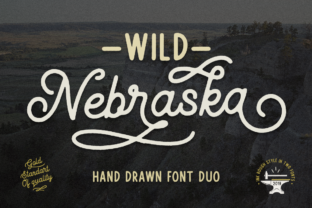
What Is Wild Nebraska and Why It Resonates
There is a certain stillness that settles over the Great Plains, a quiet magnitude that words often fail to capture. That feeling—the vastness, the untamed beauty, the weathered textures of a life lived close to the land—forms the backbone of Wild Nebraska. More than just a name, Wild Nebraska is a creative lens through which the raw spirit of the American heartland is reimagined. Inspired by wildlife, endless plains, and breathtaking mountains, and wrapped in a vintage appearance that nods to simpler times, Wild Nebraska has carved out a distinct space that appeals to creators, business owners, and everyday enthusiasts alike. This article unpacks what Wild Nebraska represents, where it finds its footing, who stands to gain from embracing its aesthetic and philosophy, and how to determine whether it aligns with your own projects or sensibilities.
The Roots of Wild Nebraska
At its core, Wild Nebraska draws deeply from a geographic and emotional landscape that many people recognize but few truly explore. Nebraska, often dismissed as flyover country, holds a quiet power in its prairie grasses, sandhill crane migrations, and rugged buttes that rise unexpectedly from flat horizons. The vintage appearance associated with Wild Nebraska does not merely replicate old designs—it channels the resilience of homesteaders, the patina of barn wood, and the muted color palettes of dusty sunsets over the Platte River. Understanding this origin helps explain why the aesthetic feels authentic rather than contrived. It borrows from a real place, a real history, and real textures that cannot be manufactured wholesale.
Wildlife as a Design Language
The wildlife element of Wild Nebraska is not ornamental. Bison, pronghorn antelope, meadowlarks, and mule deer appear as recurring motifs, but they carry symbolic weight. In visual compositions tied to Wild Nebraska, animals are rendered with a kind of reverence—often in weathered illustrations, faded screen prints, or hand-drawn line work that suggests age and permanence. This approach appeals to a growing audience tired of slick, disposable digital design. The emphasis on fauna grounds the aesthetic in ecological awareness without being preachy, making it a favorite among conservation-minded creators and brands seeking to communicate values subtly.
Endless Plains and Breathtaking Mountains as Emotional Anchors
One might wonder how plains and mountains coexist in a single inspiration, given that Nebraska is not known for towering peaks. Yet the broader region—the Great Plains stretching toward the Rockies—informs the panoramic sensibility of Wild Nebraska. The openness of the plains teaches restraint and negative space, while the distant mountains suggest aspiration and grandeur. Together, they create a visual and emotional duality that designers, photographers, and storytellers find endlessly adaptable. A website landing page, a product label, or an interior space infused with this thinking might balance vast empty areas with concentrated moments of texture and warmth, mirroring the landscape itself.
Where Wild Nebraska Shows Up in Everyday Life
Wild Nebraska has quietly influenced a range of industries and personal pursuits. Its versatility stems from the fact that it is not a rigid template but a flexible set of principles rooted in texture, history, and natural forms. Below are several contexts where its presence is most visible.
- Home Décor and Interior Design: Reclaimed wood furniture, faded botanical prints, and neutral earthy textiles that echo prairie grasses and open skies.
- Apparel and Accessories: Garments featuring distressed graphics of native wildlife, caps with muted embroidery, and leather goods with a worn-in patina.
- Branding and Graphic Design: Logo systems, packaging, and visual identities for craft breweries, ranches, outdoor outfitters, and heritage-inspired startups.
- Photography and Fine Art: Landscape photography series that emphasize solitude and scale, as well as mixed-media works incorporating antique maps and natural pigments.
- Hospitality and Retail Spaces: Boutique hotels, coffee shops, and retail stores that use raw materials, vintage signage, and subdued lighting to evoke a sense of place.
What ties these applications together is a shared commitment to authenticity and a rejection of the overly polished. The vintage appearance of Wild Nebraska invites touch, invites lingering, and invites a second look—qualities that modern consumer culture often neglects.
Who May Benefit from the Wild Nebraska Approach
While Wild Nebraska is rooted in a specific regional identity, its appeal crosses demographic and professional boundaries. Understanding who finds value in it clarifies its broader relevance.
- Small Business Owners and Makers: Those launching artisanal products—candles, leather journals, herbal teas, hand-thrown pottery—can leverage the aesthetic to convey craftsmanship and heritage without needing a century-old legacy.
- Content Creators and Influencers: In saturated digital spaces, a feed or channel that channels the calm, grounded feel of Wild Nebraska stands apart. The aesthetic photographs well and resonates with audiences seeking respite from algorithmic chaos.
- Conservation and Outdoor Organizations: Nonprofits and advocacy groups focused on prairie restoration, wildlife corridors, or public lands can adopt Wild Nebraska visual language to connect emotionally with supporters in ways that sterile corporate branding cannot.
- Individuals Seeking a Personal Reset: On a personal level, surrounding oneself with objects and imagery aligned with Wild Nebraska can instill a sense of grounding. In an era of constant connectivity, the aesthetic offers a quiet visual detox.
Strengths and Characteristics Worth Noting
Several strengths make Wild Nebraska more than a passing design trend. First, its timelessness gives it staying power. While bold colors and futuristic motifs cycle in and out of fashion, the muted, nature-derived palette of Wild Nebraska endures because it mirrors the actual landscape, which does not go out of style. Second, its accessibility matters—you do not need expensive materials to capture the feel. A thrifted wool blanket, a piece of driftwood, or a thoughtfully chosen photograph can evoke the same spirit as a professionally designed interior. Third, its emotional resonance cannot be overstated. The imagery taps into collective nostalgia for open spaces and simpler rhythms, even among those who have never set foot in Nebraska.
Another characteristic is the layering of texture inherent in the vintage appearance of Wild Nebraska. Weathered surfaces, faded typography, and imperfect edges communicate a history that invites storytelling. For brands, this means every product or piece of content can carry a narrative thread, deepening customer engagement. For individuals, it means living spaces feel collected rather than decorated, personal rather than performative.
Considerations and Practical Expectations
No aesthetic or philosophy is without its limitations, and Wild Nebraska is no exception. Approaching it with clear eyes prevents disappointment and misapplication.
Authenticity can be difficult to sustain. When a vintage appearance is mass-produced without genuine connection to the values it represents, the result can feel hollow. Consumers today are perceptive—they can distinguish between a thoughtfully weathered finish and a cheaply distressed knockoff. Creators must invest time in understanding the references behind Wild Nebraska rather than simply copying surface-level elements.
Regional specificity may not translate universally. While the aesthetic has broad appeal, certain motifs—like bison or prairie grasses—may resonate less in coastal urban markets where the cultural reference points differ. Adaptation is key. The principles of texture, restraint, and natural warmth can be applied anywhere, but the specific iconography of Wild Nebraska might need thoughtful reinterpretation for diverse audiences.
Overuse can dilute impact. As more brands and creators adopt elements of Wild Nebraska, there is a risk of homogenization. The cure lies in personalization—blending the aesthetic with one's own story, geography, and values so the result feels singular rather than derivative.
Real-World Scenarios and Applications
Consider a small coffee roaster in suburban Colorado. The owner wants packaging that communicates warmth, authenticity, and a connection to the land. By drawing on Wild Nebraska, they commission labels featuring a weathered illustration of a pronghorn against a cream background, using letterpress-style typography and kraft paper bags. Customers respond not just to the coffee but to the feeling the packaging evokes—a sense of place, of care, of something enduring. This is Wild Nebraska in action: not a logo slapped on a product, but a cohesive sensory experience rooted in a specific, honest vision.
Another scenario involves a freelance graphic designer building a portfolio website. Instead of the typical minimalist template, she incorporates earthy tones, generous white space reminiscent of wide-open plains, and subtle textures that suggest aged paper. Potential clients browsing her site immediately grasp her sensibility. They feel they are hiring someone who understands nuance, restraint, and storytelling—not just software proficiency. Here, Wild Nebraska becomes a differentiator in a crowded professional marketplace.
On a more personal level, imagine a young family decorating their first home. They are drawn to the Wild Nebraska vintage appearance without knowing the term. They choose a dining table made from reclaimed barn wood, hang a large canvas print of sandhill cranes in flight, and select linen curtains in a shade of wheat. Over time, their home accumulates objects that share a common language—each piece carries weight and memory, and the overall atmosphere feels calm and anchored. This demonstrates the accessibility of the aesthetic for everyday consumers who simply want their surroundings to feel genuine and restorative.
Evaluating Suitability for Your Needs
If you are considering incorporating Wild Nebraska into a project, product line, or personal environment, a few guiding questions can clarify whether the fit is right.
- Does the aesthetic align with your core values? If your brand or personality skews toward high-energy, futuristic, or urban-industrial themes, forcing a Wild Nebraska approach may confuse your audience rather than enhance your identity.
- Can you commit to the details? The strength of Wild Nebraska lies in layered, thoughtful execution. Rushed imitations or half-measures undermine the entire effect. Ask yourself whether you have the resources and patience to honor the aesthetic fully.
- Is there a genuine connection to nature or heritage? Authentic resonance comes from real experiences and affinities. If you have never felt moved by a prairie sunrise or the silhouette of a cottonwood tree, you might struggle to channel the emotional core of Wild Nebraska. That does not mean you cannot use it, but it may require deeper research and immersion.
- What problem are you solving? Aesthetic choices should serve a purpose. Wild Nebraska works exceptionally well when the goal is to communicate permanence, warmth, ecological awareness, or nostalgic comfort. If your goal is to project cutting-edge innovation or sleek modernity, a different visual language may serve you better.
Looking Forward with a Grounded Perspective
Wild Nebraska is not a brand with a headquarters or a trademark symbol. It is a living, breathing concept that continues to evolve as more people discover the power of slowing down, looking at the land, and honoring the textures of the past. Its vintage appearance is not about retreating from the present but about carrying forward what is worth preserving—whether that means a leather journal, a hand-drawn bison, or simply the feeling of standing alone on a prairie at dusk. For general consumers seeking meaning in their purchases, for professionals and creators chasing distinction, and for business owners wanting to build lasting connections, Wild Nebraska offers a roadmap worth following. Approach it with sincerity, adapt it with care, and let the plains, mountains, and wildlife guide the way.